Executive Orders: The Ultimate Guide To Understanding Presidential Authority - Throughout history, the use of executive orders has expanded as presidents have sought to assert their authority in various areas. This evolution has sometimes led to clashes with Congress and the judiciary, raising questions about the proper balance of power within the federal government. Each of these orders had lasting effects on American society, shaping policies and influencing future generations. Understanding their historical context and implications provides valuable insights into the role of executive orders in governance.
Throughout history, the use of executive orders has expanded as presidents have sought to assert their authority in various areas. This evolution has sometimes led to clashes with Congress and the judiciary, raising questions about the proper balance of power within the federal government.
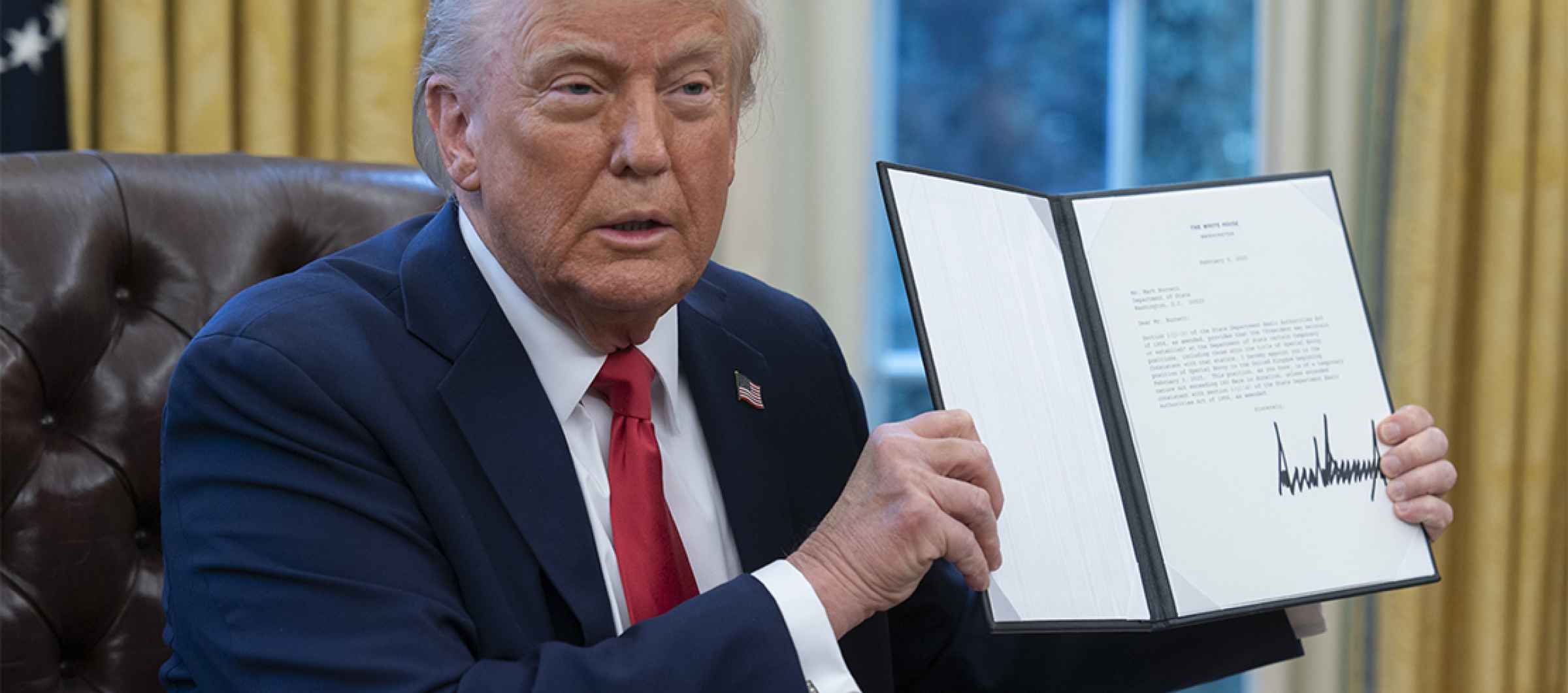
Unlike laws passed by Congress, executive orders do not require legislative approval. However, they can be challenged in court if deemed unconstitutional or outside the scope of presidential authority. Executive orders are numbered sequentially and published in the Federal Register, making them accessible to the public.
Executive orders have long been a source of controversy, with critics arguing that they represent an overreach of presidential power. Proponents, on the other hand, view them as a necessary tool for addressing urgent issues when legislative action is slow or impossible.
However, the effectiveness of executive orders will depend on their alignment with constitutional principles and the ability of the executive branch to implement them effectively. Continued dialogue and collaboration between the branches of government will be essential to ensuring that executive orders serve the best interests of the nation.
While the process may seem straightforward, the drafting and implementation of executive orders often involve extensive consultation with legal experts, agency officials, and other stakeholders. This ensures that the order is legally sound and feasible to implement.
Congressional statutes also play a role in shaping the scope of executive orders. When Congress delegates authority to the president, it enables the executive branch to issue orders related to specific areas of governance. However, the judiciary has the final say in determining whether an executive order is constitutional or exceeds presidential authority.

Issuing an executive order involves several steps, beginning with the drafting of the order by the president or their advisors. Once the order is finalized, it must be signed by the president and published in the Federal Register to become effective. This publication ensures transparency and allows the public to review and understand the order's contents.
Administrative orders, for example, often deal with internal operations of federal agencies, while policy orders may address broader issues such as immigration, healthcare, or environmental protection. Understanding these distinctions helps clarify the role of executive orders in shaping public policy.
Throughout U.S. history, several executive orders have had a profound impact on the nation. Among the most notable are:
Executive orders are official directives issued by the President of the United States that have the force of law. They allow the president to manage the operations of the federal government, direct federal agencies, and implement policies without requiring congressional approval. While they are powerful tools, executive orders must be rooted in the president's constitutional authority or existing statutes.
Executive orders are an essential tool used by presidents to direct the operations of the federal government, enforce laws, and implement policies. These legally binding directives have been a part of the U.S. political system since the founding of the nation, allowing presidents to take swift action on important matters without waiting for congressional approval. However, executive orders remain one of the most debated and controversial aspects of presidential power, often sparking debates about their scope, limits, and implications for democracy.
As the political landscape continues to evolve, the role of executive orders in governance is likely to remain a focal point of debate. Future presidents may rely more heavily on executive orders to address pressing issues, particularly in areas where legislative action is challenging or slow.